Introduction
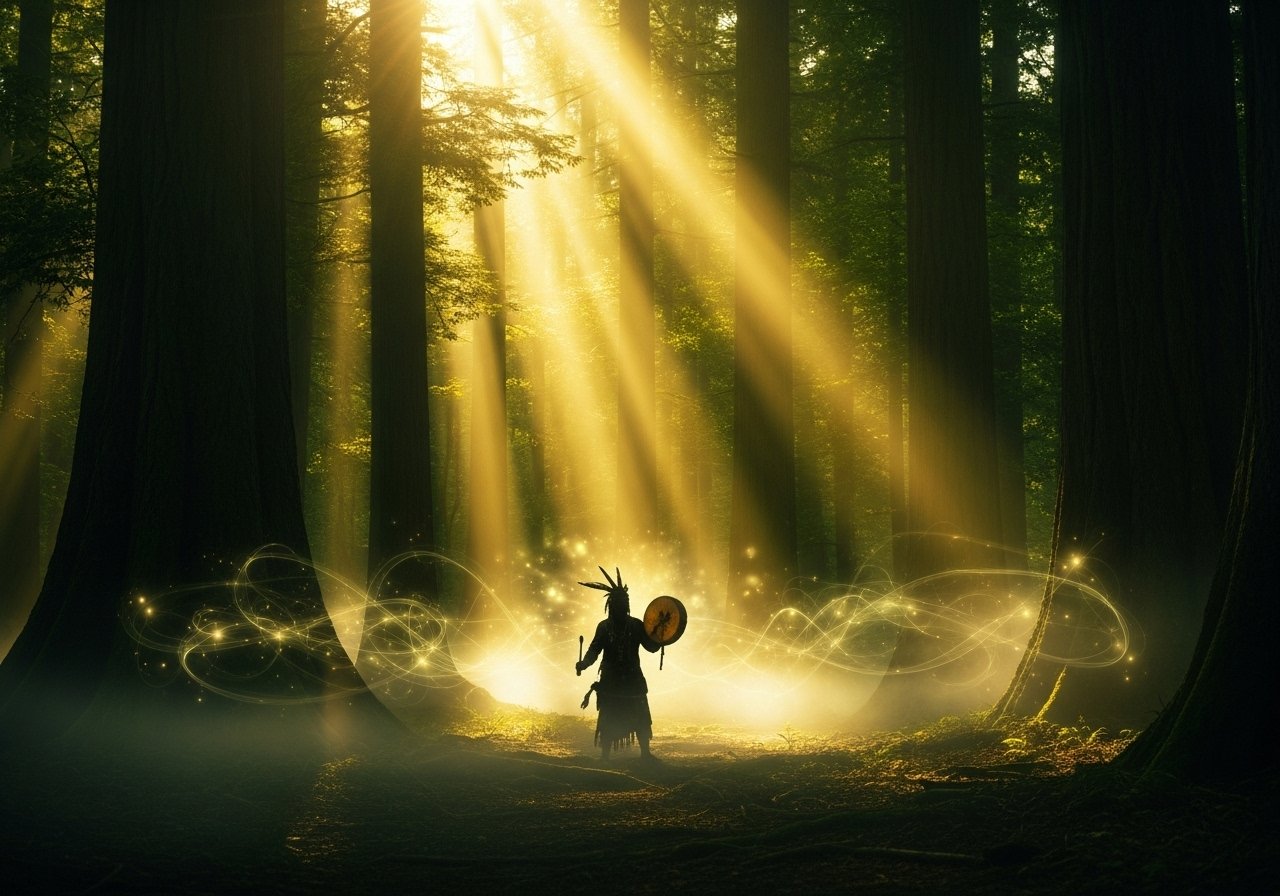
Shamanism is one of the oldest spiritual practices in human history so ancient, in fact, that archaeological evidence suggests it predates organized religion by thousands of years. Today, in a world overwhelmed by stress, digital noise, and emotional burnout, this ancient wisdom is resurfacing as a powerful path to healing and self-discovery. Whether explored through energy work, nature-based rituals, drumming, journeying, or spirit-guided intuition, shamanism continues to fascinate modern seekers who long to reconnect with something deeper, more authentic, and more mystical than everyday life. This article explores the roots, practices, and modern relevance of shamanism making it easy for beginners to understand and connect with this profound spiritual tradition.
What Is Shamanism? The Ancient Art of Connecting Worlds
Shamanism is both a spiritual practice and a worldview. At its core, it is the belief that everything humans, animals, plants, elements, and even objects has a spirit. Shamans, traditionally, are mediators between the physical world and the spiritual world. They access unseen realms to bring back healing, messages, and guidance.
Unlike organized religions with fixed doctrines, shamanism is a universal, Earth-based practice found in cultures all around the world from Indigenous tribes in North and South America to Siberian, Mongolian, African, Celtic, Scandinavian, and Australian Aboriginal traditions. Each culture expresses shamanism in its own unique way, but the core intention remains the same: healing, harmony, and spiritual balance.
The Role of the Shaman: Bridge Between the Seen and Unseen
Shamans are not simply spiritual leaders they are healers, guides, teachers, and protectors of their communities. Traditionally, a shaman may have been someone who showed signs of spiritual gifts from a young age, such as vivid visions, intuitive sensitivity, or the ability to communicate with nature. A shaman’s responsibilities often include:
- Healing illness physical, emotional, or spiritual
- Retrieving lost soul fragments, a concept known as soul retrieval
- Guiding spirits, including those who are stuck or lost
- Protecting the community from negative energies
- Interpreting dreams and signs
- Predicting weather or future events through intuition
- Performing rituals that connect people with nature and ancestors
Modern shamans or shamanic practitioners work in a similar way but tailor these practices to contemporary needs helping people manage trauma, reconnect with themselves, and find purpose.
Shamanic Journeying: Traveling Beyond the Physical World
One of the most fascinating aspects of shamanism is shamanic journeying, a meditative process in which the practitioner enters an altered state of consciousness to communicate with guides, ancestors, or spirit helpers. This state is usually achieved through:
- Rhythmic drumming
- Chanting
- Breathwork
- Rattles
- Trance-like meditation
During a journey, the practitioner may visit the Lower World, Middle World, or Upper World, each representing different layers of spiritual reality. People often report meeting spirit animals, ancestors, teachers, or elemental energies that share wisdom or healing. Journeying is not about imagination it’s about connection. The symbols and messages received during the journey often reflect deep emotional truths or spiritual guidance that help individuals navigate life.
Spirit Animals: Allies on the Shamanic Path
Spirit animals are central figures in shamanism. They serve as protectors, teachers, and companions in the spiritual realm. Each animal carries a specific energy or lesson:
- Wolf symbolizes intuition and leadership
- Eagle represents clarity, vision, and higher perspective
- Bear embodies strength and grounding
- Owl brings wisdom and the ability to see hidden truths
- Deer teaches gentleness and compassion
Your spirit animal may change throughout your life depending on your journey and emotional needs. Many people feel deeply connected to an animal without knowing why and in shamanic practice, this is often a sign of spiritual alignment.
Healing Through Shamanism: Restoring Balance and Wholeness
Shamanic healing focuses on restoring harmony to the mind, body, and spirit. Unlike modern medicine, which treats symptoms, shamanic healing goes to the root cause often located in emotional wounds, energetic blockages, or unresolved trauma. Some common methods of shamanic healing include:
1. Energy Extraction
Removing negative or stagnant energies that disrupt emotional or physical well-being.
2. Soul Retrieval
A powerful process of recovering lost fragments of the soul caused by trauma, grief, fear, or long-term stress. Many people report feeling “whole” again after this type of healing.
3. Power Animal Retrieval
Helping a person reconnect with a spirit guide that offers strength and protection.
4. Ancestral Healing
Clearing inherited emotional patterns that affect current life experiences.
5. Plant Medicine Rituals
Used in some traditions to expand consciousness and promote deep healing (though not all shamanic cultures practice plant medicine). Shamanic healing is gentle yet profound, offering emotional release, inner peace, spiritual clarity, and renewed purpose.
Shamanism in the Modern World: Why It’s Rising Again
With rising stress, burnout, and emotional disconnect, many people feel spiritually empty even though their lives are “busy.” This is one reason shamanism has made a strong comeback in the U.S. and globally. People are craving authenticity, meaning, and spiritual connection. Modern shamanism offers:
- A return to nature
- Holistic healing
- Deep self-awareness
- Connection to intuition
- A sense of belonging
- Empowerment and personal sovereignty
It provides tools for healing emotional wounds and understanding one’s life path. Many therapists and wellness practitioners now integrate shamanic techniques into modern practices because the results are powerful and transformative.
How to Begin Your Own Shamanic Journey
You don’t need to be chosen or trained in a tribe to explore shamanic spirituality. Anyone can start with simple, respectful practices:
1. Spend Time in Nature
Observe the elements, animals, and natural rhythms around you. Nature is the shaman’s greatest teacher.
2. Practice Shamanic Journeying
Begin with guided drumming or meditation tracks and set a clear intention.
3. Discover Your Spirit Animal
Pay attention to recurring animal signs, dreams, or feelings of connection.
4. Keep a Spiritual Journal
Record insights, dreams, synchronistic events, and messages.
5. Learn from Authentic Teachers
Seek out experienced shamanic practitioners, books, or workshops.
6. Approach the Practice with Respect
Shamanism is sacred. Engage with humility, intention, and gratitude.
Final Thoughts
Shamanism is not simply an ancient practice it is a living path. It teaches us how to heal, how to listen, how to honor the Earth, and how to reconnect with our inner truth. In a fast-paced, modern world, shamanism offers a bridge back to balance, purpose, and spiritual awakening. Whether you are searching for healing, deeper intuition, or a profound connection with nature, shamanism invites you into a timeless journey one that begins within and expands outward to the world around you.