Introduction
Mindfulness has become one of the most transformative concepts of our time, yet its roots trace back thousands of years to ancient spiritual and meditative traditions. In today’s fast-paced world filled with distractions, stress, and constant stimulation, mindfulness offers something rare and precious a chance to truly live in the present moment. It is not about escaping reality or striving for perfection but about being fully awake to life as it unfolds, one breath at a time.
Understanding What Mindfulness Really Means
At its core, mindfulness means paying attention deliberately and non-judgmentally to the present moment. It invites us to become aware of what is happening inside and around us without labeling experiences as good or bad. When we practice mindfulness, we shift our focus from automatic reactions and habitual thoughts to a place of conscious awareness. This simple act of noticing our breath, sensations, emotions, or surroundings can transform the way we experience the world.
The Challenge of Modern Living
Most people move through life caught in an endless cycle of doing rather than being. We rush through our mornings, multitask during work, scroll through social media without awareness, and often fall asleep with worries about tomorrow. In this constant motion, the present moment slips away unnoticed. Mindfulness teaches us to slow down and truly experience what is here, now. It is about tasting food rather than merely eating, listening to others instead of waiting for our turn to speak, and feeling the rhythm of our own heartbeat as a reminder that life is happening in this very second.
The Science Behind Mindfulness
The science of mindfulness has grown remarkably in recent years. Researchers have discovered that regular mindfulness practice can reshape the brain and promote mental and emotional well-being. It reduces stress by lowering the levels of cortisol, the hormone responsible for our fight-or-flight response. It enhances focus, memory, and creativity while improving emotional regulation. Many therapists now use mindfulness-based approaches to help individuals cope with anxiety, depression, and trauma. What was once considered a purely spiritual practice has found a firm foundation in neuroscience and psychology.

The Power of Breathing
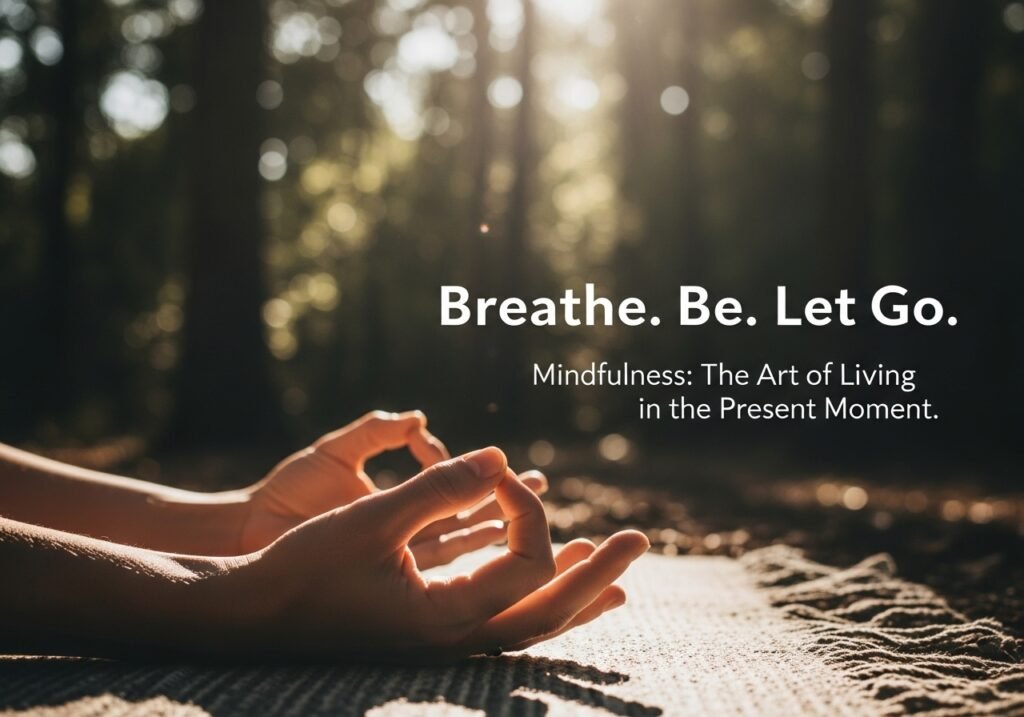
One of the simplest ways to begin practicing mindfulness is through breathing. The breath is always with us, a constant rhythm that connects mind and body. Taking a few moments each day to observe the natural flow of breath can anchor our attention to the present moment. As we breathe in, we become aware of the air filling our lungs. As we breathe out, we let go of tension and rest in the calmness that follows. Over time, this simple exercise can develop into a powerful daily ritual that brings peace even in chaos.
Mindfulness in Everyday Activities
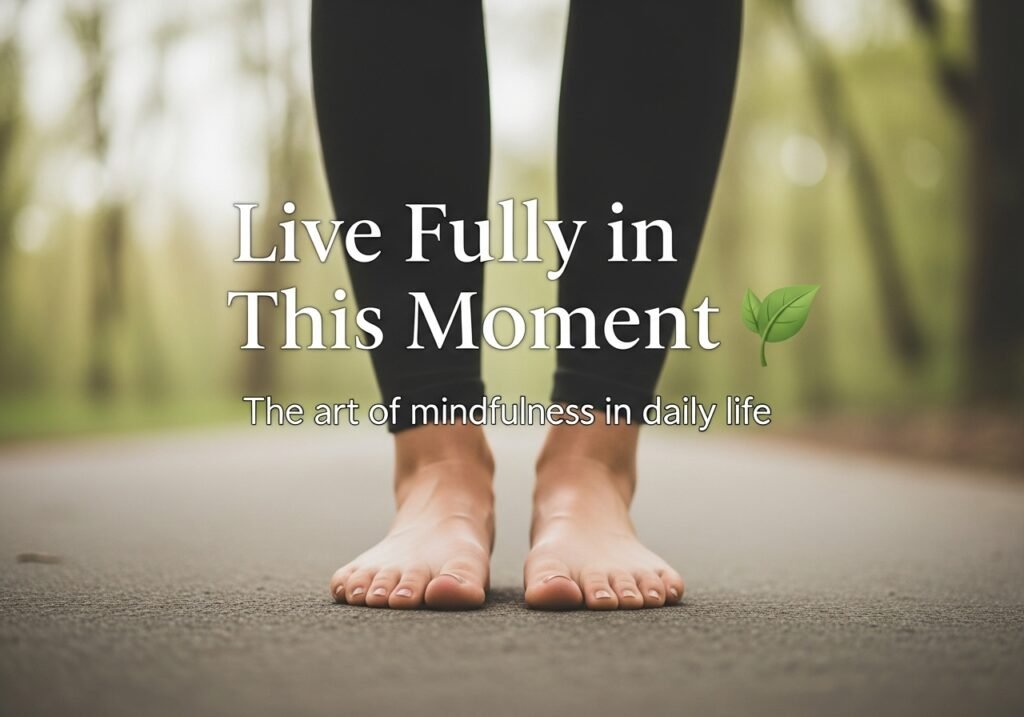
Mindfulness extends far beyond meditation. It is a way of living. We can practice mindfulness while eating by savoring each bite and noticing flavors, textures, and sensations. We can walk mindfully by feeling the ground beneath our feet, noticing the sounds of nature, or observing the movement of our bodies. Even washing dishes can become a mindful act when done with full attention, turning ordinary moments into opportunities for connection and gratitude.
Emotional Mindfulness: Facing Feelings with Compassion
Emotional mindfulness is another powerful aspect of this practice. Often, we try to suppress difficult feelings such as anger, fear, or sadness. Mindfulness teaches us to face these emotions with compassion and curiosity instead of resistance. When we allow ourselves to experience emotions as they are, they lose their power to control us. This acceptance leads to emotional resilience and inner balance. We learn that emotions are temporary waves passing through our awareness, not defining who we are.
Mindful Relationships and Communication
In relationships, mindfulness fosters deeper understanding and empathy. When we listen to others with full presence, without planning our response or passing judgment, we connect on a much deeper level. Mindful communication strengthens bonds and reduces conflict because it creates a space for genuine connection. It reminds us that each person, including ourselves, carries their own struggles and stories, and that compassion can bridge even the widest gaps.
Gratitude and Mindfulness
Mindfulness naturally nurtures gratitude. When we are truly present, we begin to notice the small blessings that often go unseen the warmth of sunlight on our skin, the laughter of a loved one, the comfort of a quiet morning. Gratitude arises when we appreciate life as it is, without craving more or wishing it were different. This shift in perception can change everything, turning ordinary days into extraordinary experiences filled with meaning and joy.

The Challenge of Staying Present
However, mindfulness is not always easy. Our minds are used to wandering, chasing thoughts, and getting lost in worries or memories. At first, sitting still and observing can feel uncomfortable. But like any skill, mindfulness strengthens with practice and patience. Each time we notice that our attention has drifted and gently bring it back, we are training our minds to return home to the present. This is the essence of mindfulness returning again and again with kindness.
Living Mindfully in a Chaotic World
As our awareness deepens, mindfulness begins to influence how we make decisions and approach life. We become more intentional, responding rather than reacting to situations. We start to see patterns in our thoughts and behaviors, gaining insight into what truly matters. This clarity allows us to let go of what no longer serves us and align our actions with our deepest values. Mindfulness becomes not just a practice but a way of living consciously.
In the modern world, where distractions are endless and attention is a precious commodity, mindfulness offers a gentle rebellion a return to simplicity, stillness, and presence. It reminds us that peace does not come from achieving more or running faster but from stopping long enough to experience life as it is. Mindfulness is not about adding something new to our lives but about uncovering the calm and clarity that already exist within us.
Mindfulness as a Path to Collective Change
Over time, mindfulness can transform not just individuals but entire communities. A mindful society is one that values empathy over ego, presence over performance, and compassion over competition. When more people live with awareness and kindness, the ripple effect can touch families, workplaces, and even global consciousness. This is why mindfulness is not just a personal journey it is a collective awakening.
Conclusion
Ultimately, mindfulness teaches us that life is not happening somewhere in the future or the past. It is happening now, in this moment, as you read these words, as you breathe in and breathe out. When we learn to live with awareness, every moment becomes sacred. Every act, no matter how small, becomes an expression of love and presence. And in that presence, we discover the quiet joy of simply being alive.
FAQS
Q1: How can I start practicing mindfulness as a beginner?
Start by dedicating just a few minutes each day to observe your breath. Sit quietly, focus on your breathing, and gently bring your attention back whenever your mind wanders. You can also practice mindfulness during daily activities like eating, walking, or even brushing your teeth by staying aware of each moment without judgment.
Q2: What are the main benefits of mindfulness for mental health?
Mindfulness helps reduce anxiety, stress, and depression by grounding your thoughts in the present moment. It improves focus, emotional regulation, and self-awareness. Over time, regular mindfulness practice can rewire your brain for greater calm, clarity, and happiness.