Introduction
Mindfulness has become one of the most influential concepts in the world of spirituality, personal growth, and mental well-being. As people face increasing stress, distractions, and emotional overload in everyday life, mindfulness offers a gentle yet powerful way to return to the present moment. It teaches us to slow down, observe life with clarity, and experience each moment fully instead of rushing through it. While mindfulness may seem simple, its impact is transformative. It allows individuals to reconnect with themselves, deepen their awareness, and find peace amid life’s noise. Whether someone is struggling with anxiety, seeking spiritual grounding, or wanting a more meaningful life, mindfulness provides the tools to create inner balance and conscious living.
Understanding Mindfulness Beyond Its Popular Image
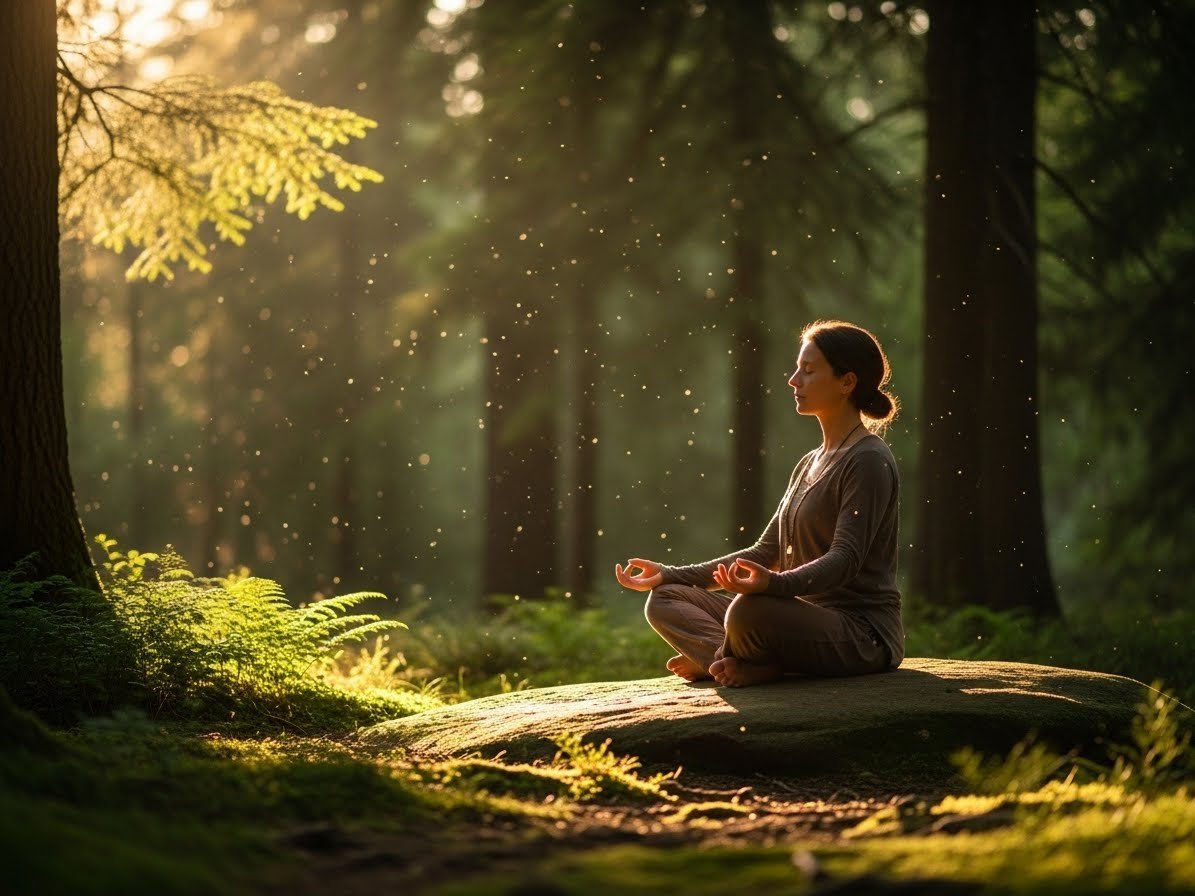
Mindfulness is often associated with meditation, breathing exercises, or peaceful nature scenes. While these elements are part of the practice, mindfulness is much broader and deeper. At its core, mindfulness means paying attention to the present moment with full awareness and without judgment. It invites individuals to observe their thoughts, emotions, and surroundings with acceptance rather than resistance. This acceptance creates space for understanding and healing.
The origins of mindfulness can be traced to Buddhist teachings, where the practice is central to awakening and liberation from suffering. Over time, mindfulness has expanded far beyond religious traditions and entered the world of psychology, neuroscience, wellness, and modern spiritual practice. Today, mindfulness is considered a science-backed method to reduce stress, enhance mental clarity, and improve emotional resilience. Yet, it remains rooted in spiritual wisdom, reminding people that peace comes from within, not from external circumstances.

Why Mindfulness is Becoming a Global Trend
Mindfulness is trending across Google searches, social media, wellness communities, and therapeutic spaces because people are experiencing unprecedented levels of stress and overwhelm. Modern life is fast, competitive, and demanding. With smartphones, notifications, and constant responsibilities, the human mind rarely gets a moment of true rest. Mindfulness has emerged as a solution to this mental fatigue.
People are drawn to mindfulness because it offers simplicity. It does not require special tools, rituals, or environments. Anyone can practice mindfulness whether at home, at work, or during daily routines. The benefits are accessible to everyone, regardless of age, culture, or belief system. As more individuals seek mental peace, spiritual connection, and healthier lifestyles, mindfulness continues to rise as a universal practice.
How Mindfulness Transforms the Mind and Spirit
Mindfulness transforms the inner world by shifting how individuals relate to their thoughts and emotions. Instead of reacting impulsively or getting lost in fear, overthinking, or negativity, mindfulness teaches the art of observation. When thoughts are observed from a calm, neutral space, they lose their power to overwhelm. This shift creates emotional freedom and mental clarity.
Spiritual growth also deepens with mindfulness. Presence opens the door to intuition, inner wisdom, and self-awareness. When the mind settles, the heart becomes more open, and the spirit feels more alive. Over time, individuals begin to understand themselves on a deeper level. They recognize their triggers, understand their patterns, and learn to make choices that align with their values. Mindfulness fosters authenticity and helps people reconnect with their true essence.
Furthermore, mindfulness strengthens compassion and empathy. When individuals become more aware of their inner experiences, they naturally develop a softer outlook toward others. They become more patient, understanding, and kind. This emotional maturity enhances relationships and creates a more peaceful environment around them.

Mindfulness for Reducing Stress and Anxiety
One of the most significant benefits of mindfulness is its ability to reduce stress and anxiety. The human mind is often stuck between the past and the future. People worry about what might happen or replay what already happened. This mental habit creates unnecessary tension. Mindfulness breaks this cycle by bringing attention back to the present moment.
When individuals focus on breathing, bodily sensations, or the environment around them, the mind shifts away from anxiety-inducing thoughts. This shift relaxes the nervous system, lowers stress hormones, and increases feelings of calm. With continuous practice, mindfulness helps individuals build long-term resilience. Stressful situations may still arise, but the way one responds becomes more balanced and grounded.
A mindful mind does not eliminate problems, but it changes how they are experienced. Instead of reacting with panic or anger, individuals learn to respond with clarity. This calm response brings emotional stability and personal strength.
How Mindfulness Enhances Focus and Productivity
Mindfulness is not only a spiritual tool but also a practical one. Many people struggle with distracted thinking, lack of focus, and difficulty completing tasks. Mindfulness helps sharpen attention by training the mind to stay present. When the mind is focused, productivity increases naturally.
Practices such as mindful breathing or observation help strengthen mental discipline. Over time, individuals become more capable of concentrating without being pulled away by distractions. This enhanced focus benefits work, studies, and personal projects. It also improves memory, decision-making, and creativity.
Ultimately, mindfulness creates a more efficient and peaceful mind. When attention is anchored in the present, even simple tasks become more enjoyable and meaningful.

Mindfulness and Spiritual Alignment
For those on a spiritual journey, mindfulness serves as a compass that guides the soul toward alignment and clarity. It helps individuals become more aware of their inner voice and intuition. This heightened awareness supports spiritual awakening and deeper connection with life’s purpose.
Mindfulness dissolves illusions created by the mind and reveals inner truth. It encourages people to slow down, reflect, and observe life without filters. This clarity allows spiritual seekers to understand themselves not just as physical beings but as conscious, soulful beings.
When practiced regularly, mindfulness becomes a form of meditation in action. Daily life becomes more sacred. Ordinary moments drinking tea, walking, breathing turn into opportunities for spiritual presence. This transformation helps individuals live with purpose, gratitude, and harmony.
Integrating Mindfulness into Everyday Life
Mindfulness doesn’t need to be a formal practice. It can be woven into everyday life effortlessly. Simple acts like paying attention while eating, listening with intention during conversations, or observing the breath for a few minutes can shift the entire energy of the day.
The key is consistency. Small acts of awareness throughout the day accumulate into profound inner transformation. The more frequently an individual returns to the present moment, the more peaceful and centered life becomes. With time, mindfulness becomes second nature, shaping thoughts, emotions, and actions with conscious awareness.
Conclusion
Mindfulness is more than a trend. It is a timeless spiritual practice that offers healing, clarity, and inner peace. It invites individuals to step out of autopilot and experience life with presence and intention. Whether someone wants emotional stability, spiritual growth, or a calmer mind, mindfulness provides a gentle and powerful path to transformation.
As life continues to move quickly, mindfulness becomes a grounding force that reconnects individuals to their essence. It teaches that peace is not something to chase it is something that already exists within. With mindfulness, living becomes richer, deeper, and more meaningful. It becomes a journey from chaos to clarity, from stress to serenity, and from distraction to awareness.
FAQS
1. How can a beginner start practicing mindfulness?
Beginners can start practicing mindfulness by focusing on simple, everyday activities. Paying attention to your breath for a few minutes, observing your surroundings without judgment, or mindfully drinking a cup of tea are easy ways to begin. The key is to bring full awareness to the present moment. With consistency, mindfulness becomes more natural and easier to maintain throughout the day.
2. Can mindfulness help with emotional healing?
Yes, mindfulness is extremely effective for emotional healing. By observing thoughts and emotions without reacting or suppressing them, mindfulness creates space for understanding and release. Over time, this nonjudgmental awareness helps reduce emotional triggers, lowers stress, and builds inner resilience. Many people experience improved emotional balance and greater self-compassion through regular mindfulness practice.