Introduction
Meditation has become one of the most widely practiced spiritual tools in the world, and for good reason. In a fast-moving society where stress is constant and digital noise rarely stops, more people are turning toward meditation as a powerful method for reconnecting with themselves. What makes meditation so unique is that it is both simple and profound. It requires no special equipment, no prior experience, and no strict rules. Instead, it asks for presence, awareness, and the willingness to explore one’s inner world. Whether someone is on a spiritual journey, seeking stress relief, or wanting deeper meaning in life, meditation opens the door to clarity, emotional balance, and soul-level transformation.
Understanding Meditation as a Spiritual Tool
Meditation is more than a relaxation technique; it is a deeply spiritual practice that allows individuals to observe their thoughts, emotions, and inner patterns with compassion. At its core, meditation helps quiet the mind, soften emotional tension, and create a space for intuition to speak more clearly. Spiritual traditions such as Buddhism, Hinduism, Taoism, and Sufism have long used meditation as a gateway to higher consciousness. Today, modern science validates many of these ancient teachings by showing that meditation reduces stress hormones, improves brain structure, increases emotional resilience, and enhances overall well-being.
As a spiritual tool, meditation encourages people to pause and return to themselves. When practiced consistently, it allows the seeker to release past burdens, detach from stressful thoughts, and reconnect with a deeper sense of purpose. Meditation nurtures self-awareness, a key element in spiritual growth. By observing inner experiences without judgment, individuals learn to understand their patterns, their reactions, and ultimately their true selves.
The Growing Popularity of Meditation in Modern Life
Meditation is trending globally because people crave peace, presence, and stability. The pressures of modern living make it easy to feel lost or disconnected, and meditation provides an accessible solution. It has become increasingly popular among young professionals, students, parents, and wellness enthusiasts who want a calm mind and balanced lifestyle. Spirituality and mental health have merged in recent years, allowing meditation to stand at the intersection of both worlds.
Social media platforms, wellness apps, and global influencers have played a significant role in meditation’s rise. Guided meditation content on platforms like YouTube and TikTok receives millions of views, demonstrating the growing desire for inner healing. Meditation is no longer seen as a mystical or religious practice; it has become a universal wellness tool embraced by all cultures and belief systems.
How Meditation Deepens Spiritual Growth
Meditation strengthens spiritual growth by bringing awareness to the inner landscape. When the mind becomes quiet, the heart opens, and the soul speaks. Through meditation, individuals learn to listen to their intuition, understand their emotions, and connect with the present moment. This connection becomes a spiritual experience where one feels grounded, centered, and aligned with a higher purpose.
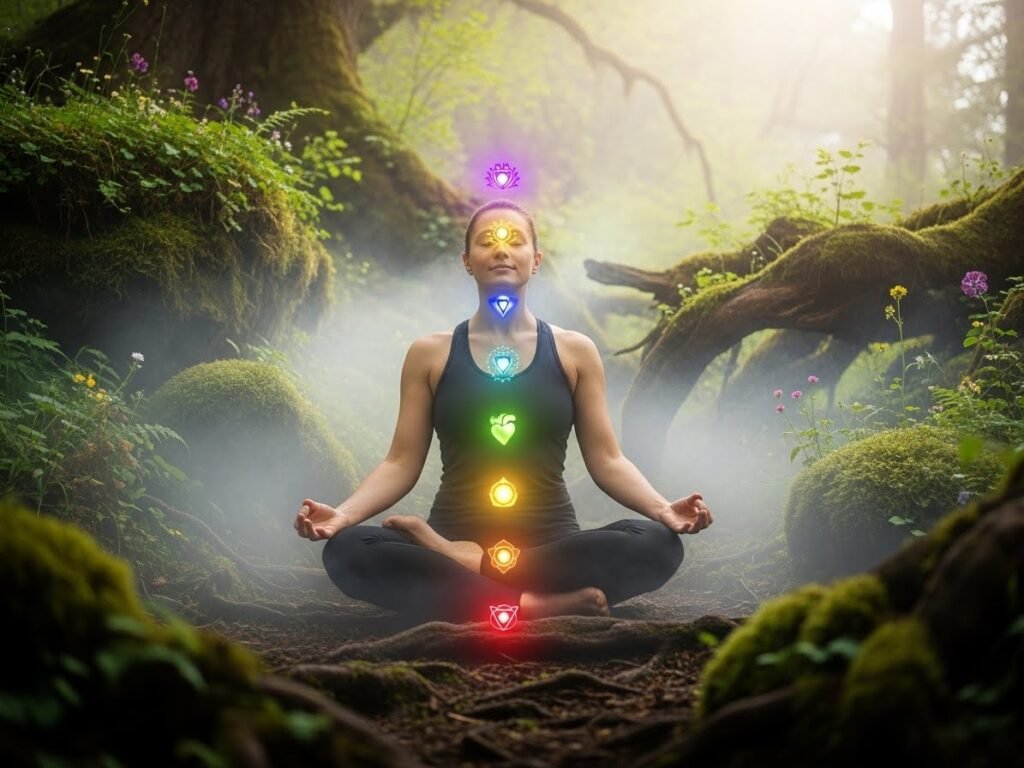
A regular meditation practice helps remove mental clutter, which often blocks spiritual insight. Overthinking, fear, and stress can create a fog around the mind. Meditation gently dissolves that fog, revealing clarity and inner truth. It helps people release limiting beliefs, unprocessed emotions, and energetic blockages that restrict personal growth. This process leads to emotional freedom and spiritual expansion.
Meditation also fosters gratitude and compassion, two powerful spiritual qualities. When individuals sit with themselves in stillness, they develop a deeper appreciation for life’s simple moments. This heightened sense of awareness cultivates kindness, patience, and empathy toward others. With time, meditation becomes a tool not just for personal healing but for creating more harmonious relationships and a peaceful life.
Meditation as a Tool for Emotional Healing
One of the most transformative aspects of meditation is its ability to heal emotional wounds. Many people carry stress, grief, anger, or unresolved memories that interfere with their happiness. Meditation gives the mind and heart a safe space to process these emotions. Rather than suppressing feelings, meditation encourages acceptance and understanding. This acceptance becomes a powerful form of emotional release.
When people observe their emotions without judgment, those emotions lose their intensity. Meditation helps individuals break free from negative thought cycles and destructive internal patterns. Over time, emotional triggers become milder, reactions become calmer, and resilience grows stronger. The individual learns to respond with awareness instead of reacting impulsively.
This emotional healing creates an inner shift that directly enhances spiritual growth. When emotional blocks dissolve, the heart becomes lighter, and the soul feels more connected to its authentic self.
The Role of Meditation in Mental Clarity and Focus
A clear mind is essential for spiritual and personal growth. Meditation sharpens mental clarity by reducing mental noise and improving concentration. During meditation, the mind gradually shifts from scattered thoughts to a state of calm observation. This state enhances focus and strengthens cognitive abilities.
People who meditate regularly often notice improvements in decision-making, problem-solving, and creative thinking. Mental clarity also helps individuals set meaningful goals and stay aligned with their spiritual or personal intentions. As the mind becomes more organized and balanced, life becomes easier to navigate.
Meditation is particularly beneficial for those who struggle with anxiety or overthinking. It trains the mind to stay anchored in the present moment rather than dwelling on the past or worrying about the future. This mindful presence becomes a foundation for mental and emotional stability.
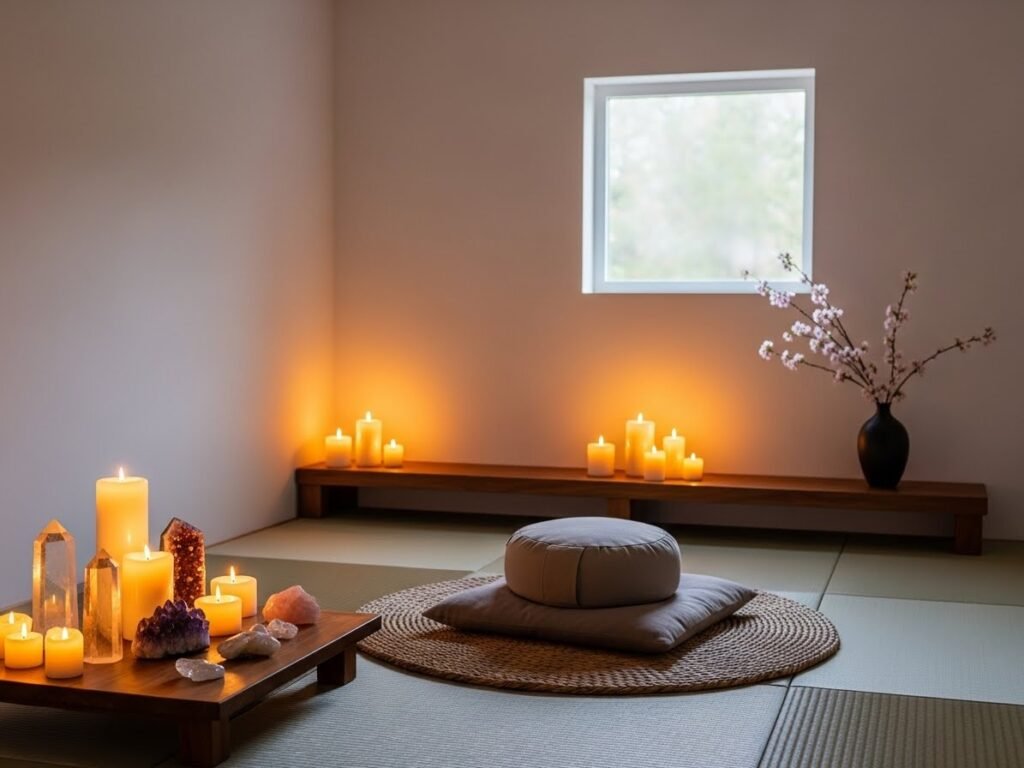
Incorporating Meditation into Daily Life
The beauty of meditation is that it can be practiced anywhere and integrated into daily life with ease. Even a few minutes of conscious breathing can shift the mind from stress to peace. Some people prefer guided meditations, while others enjoy silent contemplation. Walking meditations, nature meditations, and breath-focused sessions are also popular options that suit various lifestyles.
What matters most is consistency. A daily meditation routine strengthens the mind’s ability to remain calm and centered even during challenging times. It becomes a spiritual anchor, providing strength and clarity whenever needed. Over time, meditation becomes not just a practice but a way of living with awareness and intention.
Conclusion
Meditation is more than a trend; it is a timeless spiritual tool that nurtures inner peace, emotional healing, and self-discovery. It empowers individuals to slow down, breathe deeply, and reconnect with their true essence. Through meditation, people learn to let go of stress, embrace the present moment, and cultivate a harmonious inner world.
As the world continues to evolve, meditation will remain an essential practice for those seeking balance, clarity, and spiritual awakening. Whether someone is just beginning their journey or has been practicing for years, meditation remains a gentle and transformative companion that guides the soul toward peace, purpose, and inner freedom.
❓ FAQs for the Meditation
1. How long should a beginner meditate each day?
Beginners can start with just five minutes a day. Consistency is more important than duration. Over time, the mind becomes more comfortable with silence and stillness, making longer sessions easier and more enjoyable. Gradually, you can extend your practice to 10, 15, or even 20 minutes as it fits into your daily routine.
2. Can meditation help reduce stress and anxiety?
Yes, meditation is one of the most effective natural methods for reducing stress and anxiety. By calming the mind, regulating breath, and promoting present-moment awareness, meditation lowers stress hormones, relaxes the nervous system, and helps break the cycle of overthinking. With regular practice, people often experience improved emotional stability and mental clarity.