Introduction
In today’s rapidly evolving world, spirituality is no longer limited to ancient temples, meditation caves, or traditional rituals. A new wave of awakening has emerged, one that blends timeless spiritual wisdom with cutting-edge technology. This movement is called Digital Spirituality, an ever-growing trend where artificial intelligence, virtual reality, mobile apps, and online communities are shaping how people connect with their inner selves. Instead of replacing ancient wisdom, modern technology is expanding it, making spirituality more accessible, personal, and transformative than ever before.
Digital spirituality is more than a trend. It is a cultural shift. It reflects humanity’s desire for meaning in a digitally driven age and shows how spiritual seekers are adapting timeless practices to fit a fast-paced, interconnected world.
1. The Rise of Digital Spiritual Seekers
The modern spiritual journey looks different from what it did even 10 years ago. People now meditate with the guidance of apps, consult AI coaches for clarity, join virtual healing circles, and explore mystical worlds through VR. With global stress levels rising and traditional structures changing, individuals are turning to technology not for distraction but for healing, grounding, and inner growth.
The internet gives people what past generations lacked: instant access to spiritual knowledge. Someone curious about breathwork, chakras, tarot, or manifestation can learn within seconds. Technology has democratized spirituality, removing barriers and creating global access to ancient teachings.
2. What Is Digital Spirituality?
Digital spirituality refers to the intersection of spiritual practices and digital technology. It includes a wide range of tools such as AI-guided meditation, virtual reality temples, biofeedback devices, spiritual journaling apps, online oracle readings, sound healing frequencies, and more.
Rather than being a replacement for traditional spirituality, digital spirituality is a bridge. It allows people to connect with spiritual experiences anytime, anywhere, whether through a meditation app in the morning or a virtual retreat at night. It also helps people who may not have access to spiritual communities in their physical environment. The idea is simple. If technology is already part of our daily lives, why not use it to deepen our connection with our higher self?
3. Virtual Reality as a Gateway to Inner Exploration
One of the most exciting developments in digital spirituality is the use of virtual reality. VR transports individuals into immersive environments that support meditation, healing, and inner exploration. Imagine entering a peaceful forest, a floating temple, or a breathtaking galaxy designed to calm the mind and expand awareness.
VR spiritual experiences are powerful because they engage the senses and help quiet the mind. For people who struggle with traditional meditation, VR can create an environment where relaxation feels natural and effortless. Some VR platforms include guided journeys, energy healing simulations, and visualizations that bring spiritual concepts to life in vivid detail. This is not escapism. It is immersion into the deeper layers of consciousness.
4. AI as a Spiritual Companion
AI has entered the spiritual world in surprising ways. From personalized affirmations to intuitive journaling prompts, AI tools are helping people explore their emotions and inner landscape with clarity and awareness. AI-guided meditation apps, for example, adapt sessions based on a user’s stress levels, emotional state, and spiritual goals.
Many spiritual seekers use AI to:
- Track personal growth
- Explore life purpose
- Identify emotional patterns
- Understand limiting beliefs
- Receive personalized spiritual guidance
AI does not replace human intuition, but it can act as a supportive mirror. It offers clarity when the mind feels clouded and helps individuals stay consistent in their spiritual journey. For many, AI becomes a gentle companion, reminding them of their highest potential.
5. Online Spiritual Communities and the Rise of Global Connection
Digital spirituality thrives on connection. Social media platforms and online communities have become modern gathering places for spiritual seekers from all over the world. People share their experiences, seek guidance, and participate in global meditations and healing circles.
This virtual connection breaks geographical boundaries. Someone in Pakistan, Brazil, Japan, or Canada can meditate together in real time, creating a collective spiritual frequency that transcends physical space.
These communities offer:
- Support and belonging
- Access to diverse traditions
- Healing spaces free from judgment
- Opportunities to learn from global teachers
For many, especially those without local spiritual circles, online communities provide the spiritual family they always longed for.
6. Biofeedback and Wearable Spiritual Tech
Wearable devices are transforming mindfulness and meditation in ways that once seemed impossible. Tools such as EEG headbands, heart-rate variability monitors, and breath-sensing devices help individuals track their inner states. These wearables show real-time data on stress levels, breathing patterns, focus, and heart coherence.
This technology empowers people to understand their inner world more deeply. Instead of guessing whether a meditation session was effective, individuals receive measurable feedback that validates their progress. Some devices even guide users into deeper meditation by adjusting sound frequencies, breathing cues, or visual prompts based on brainwave activity. It is spirituality guided by science and supported by technology.
7. Digital Rituals and Modern Ceremonies
As spiritual practices adapt to the digital age, new forms of rituals are emerging. People now join full moon ceremonies on Zoom, participate in global intention-setting events, and even perform virtual sound baths. These digital rituals may take place far from traditional temples or sacred sites, yet the energy and intention remain powerful.
The beauty of digital rituals is accessibility. Anyone with an internet connection can join. They bridge people from different cultures and religions, creating a tapestry of shared spiritual experience. These modern rituals help individuals reconnect with the cycles of nature, even while living in busy cities and digital environments.
8. The Benefits of Digital Spirituality
Digital spirituality offers many gifts. It supports personal growth, builds community, and makes spiritual practices more accessible to millions of people. It allows seekers to explore sacred teachings, track their progress, and receive guidance tailored to their individual journey.
Some of the major benefits include:
- Convenience and accessibility
- Personalized spiritual tools
- Immersive meditation experiences
- Connection with global spiritual communities
- Exposure to multiple traditions and teachings
- Support during times of emotional or mental stress
It is a form of spirituality that evolves with the world, staying relevant and impactful.
9. Balancing Technology and Presence
While digital spirituality is powerful, balance is essential. Technology is a tool, not the destination. The goal is always deeper presence, greater clarity, and stronger connection with the higher self. Digital tools should support the journey, not replace inner work. The healthiest approach is mindful use. Seekers can use technology to enhance their practices while staying grounded in their physical, emotional, and spiritual reality.
Conclusion
Digital spirituality represents the evolution of human consciousness. It is a movement that blends ancient wisdom with modern innovation, creating a unique and powerful pathway for inner transformation. Technology may be man-made, but the intentions we bring to it are sacred. When used mindfully, digital tools can open new doors to healing, awakening, and self-discovery. In this new era, spirituality is not limited to sacred places. It flows through screens, devices, and digital spaces, reminding us that the divine can be found anywhere we choose to connect with it.
FAQS
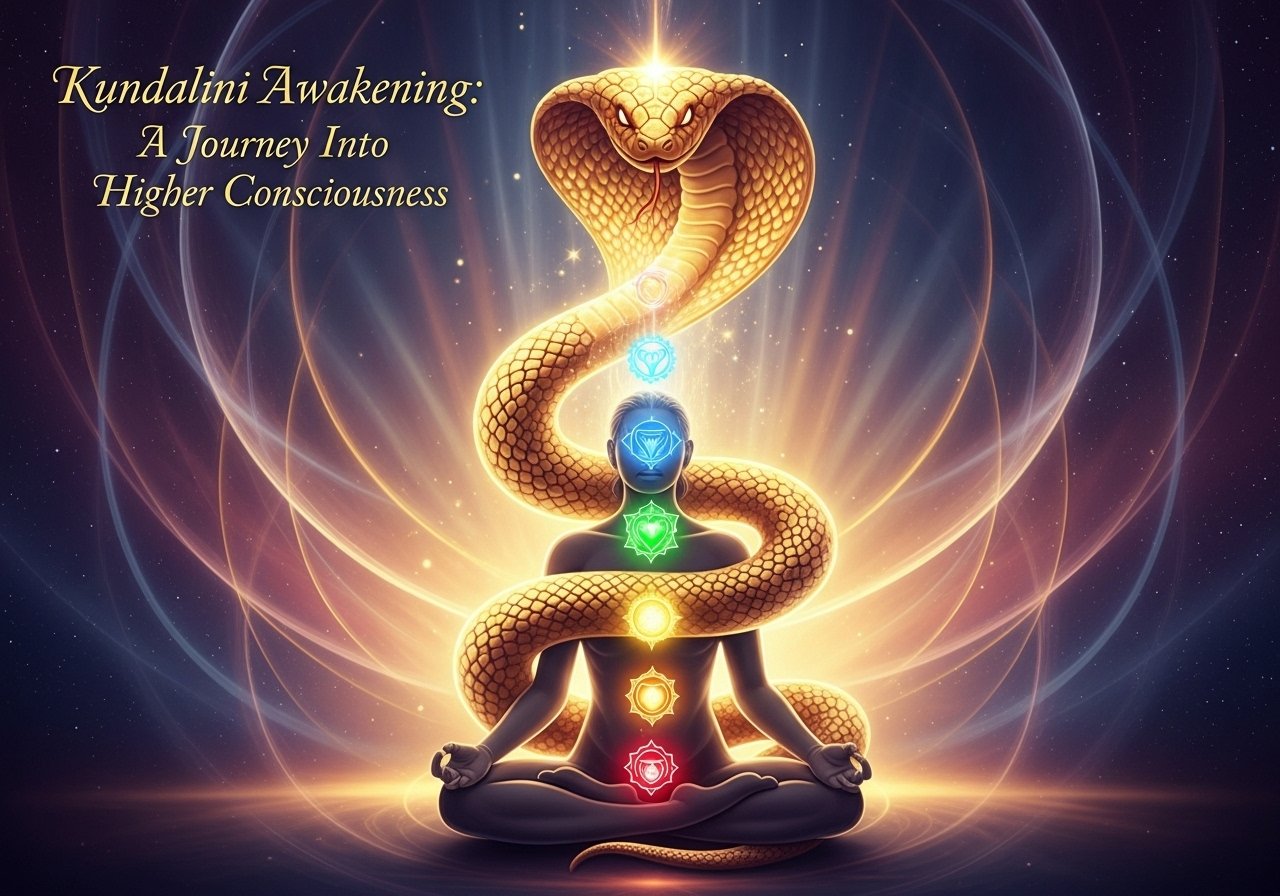
1. How do I know if my Kundalini is awakening?
Kundalini awakening is often accompanied by noticeable inner shifts. Many people report a sudden rise in intuition, heightened awareness, emotional release, vivid dreams, and a deeper sense of spiritual connection. Physically, you may feel warmth or tingling along the spine, lightness in the body, or surges of energy. However, these signs vary from person to person. The most reliable indicator is a sustained transformation in consciousness, not temporary sensations.
2. Is Kundalini awakening dangerous for beginners?
Kundalini energy itself is not dangerous, but an uncontrolled or forced awakening can feel overwhelming. When approached gently through meditation, grounding, breathwork, and guidance from experienced teachers it becomes a deeply healing and transformative process. Beginners should avoid intense practices and instead focus on slow, balanced spiritual growth. Listening to your body and grounding yourself can help ensure a safe and positive awakening experience.