Introduction
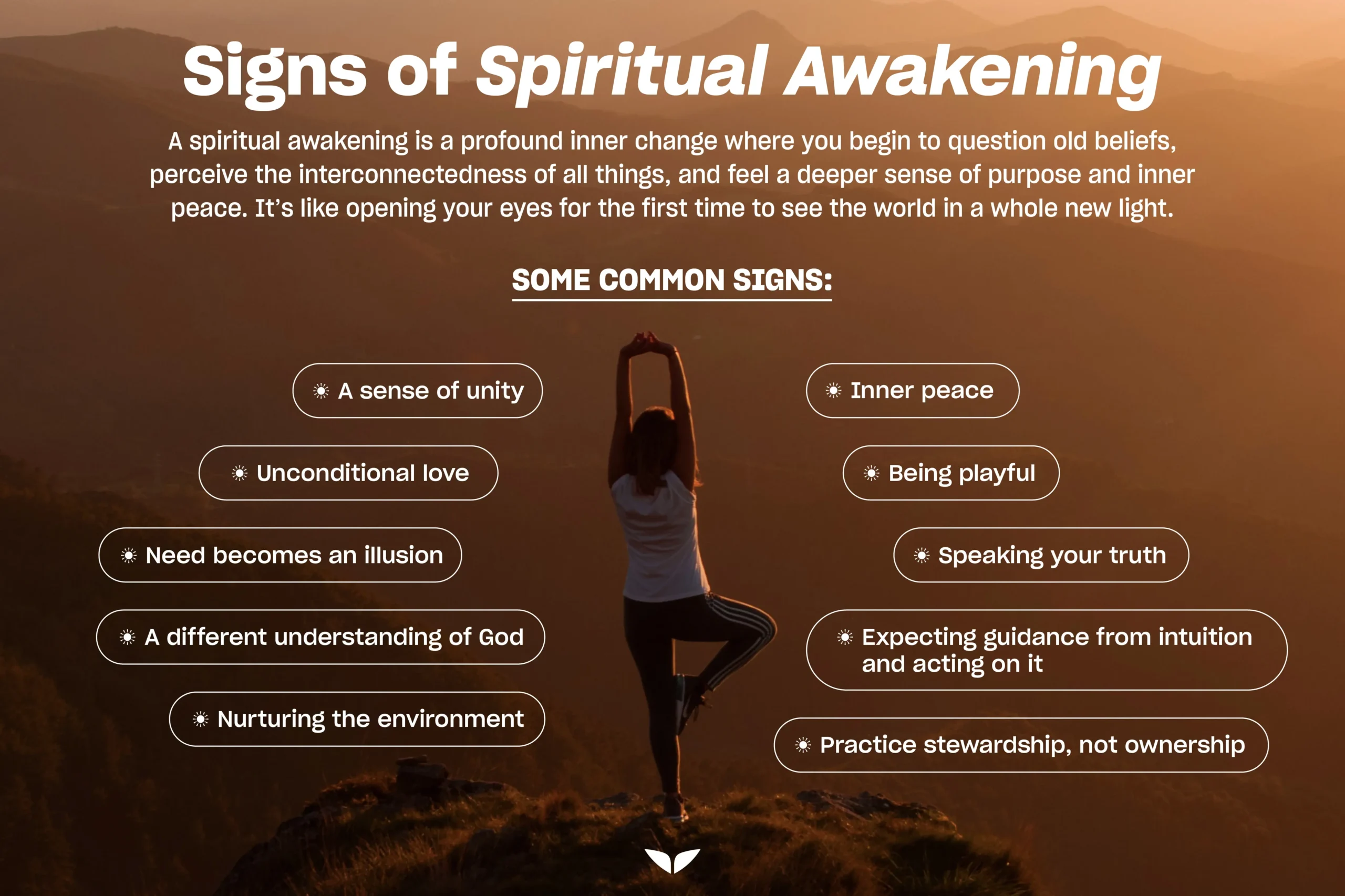
A spiritual awakening is often described as a moment of deep realization, but in truth, it is a gradual and deeply personal journey that unfolds over time. Many people experience spiritual awakening symptoms long before they recognize what is happening. These symptoms can be subtle or intense, comforting or confusing, yet they all point toward the same truth: your consciousness is expanding beyond old patterns and perceptions. Understanding these signs can bring reassurance, clarity, and a sense of trust in the process of spiritual growth.
Spiritual awakening does not follow a single path or timeline. It can be triggered by life-changing events, emotional pain, moments of deep gratitude, or even quiet introspection. When awakening begins, your inner world starts to shift, gently guiding you toward greater awareness, authenticity, and alignment with your true self.
A Heightened Sense of Awareness and Presence
One of the earliest spiritual awakening symptoms is a noticeable shift in awareness. You may find yourself more present in everyday moments, noticing details you once overlooked. Colors seem brighter, conversations feel more meaningful, and silence becomes comforting rather than uncomfortable. This heightened presence reflects a deeper connection to the present moment, where the mind begins to release its constant focus on the past or future.
As awareness grows, you become more conscious of your thoughts and emotional reactions. Instead of being controlled by them, you begin observing them with curiosity. This awareness is not about perfection but about honesty. You start recognizing patterns that no longer serve you and feel a natural pull toward inner clarity and peace.
Emotional Intensity and Deep Inner Shifts
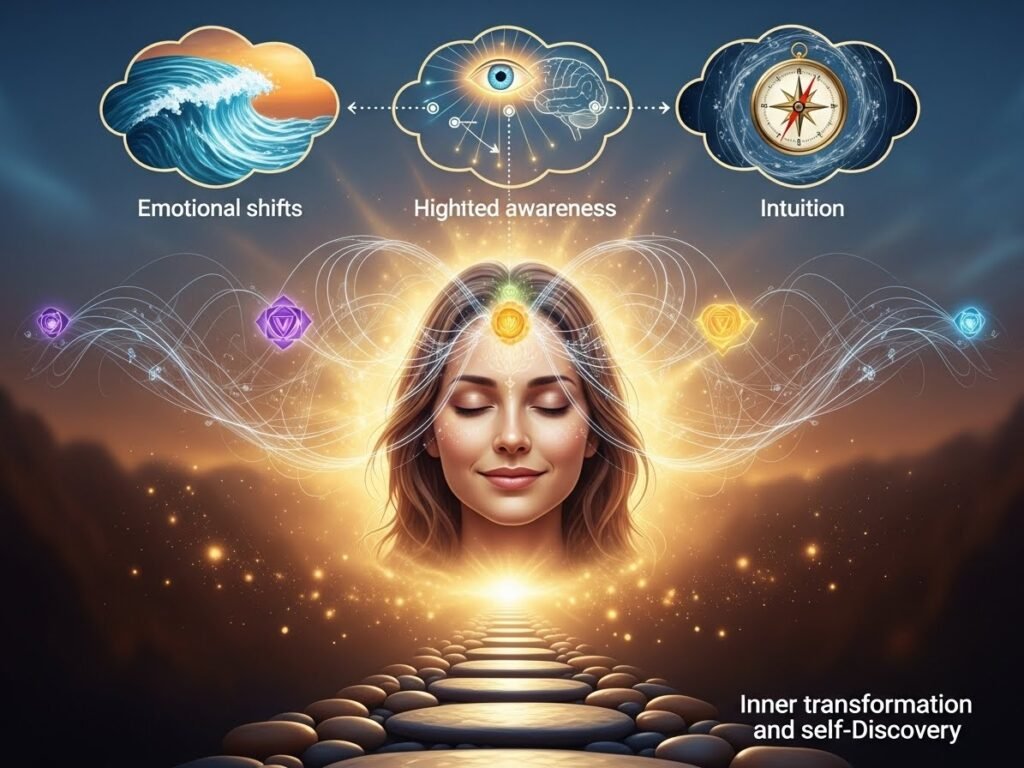
Spiritual awakening often brings emotional sensitivity. Feelings may surface unexpectedly, ranging from joy and gratitude to sadness and grief. These emotional waves are not a sign of regression but rather a release of stored energy. Old wounds, unresolved experiences, and suppressed emotions rise to the surface to be healed.
This emotional intensity can feel overwhelming at times, yet it serves an important purpose. As you allow yourself to feel without resistance, emotional blockages dissolve, creating space for compassion and self-acceptance. You may notice a deeper empathy toward others and a stronger emotional connection to your own inner world. Through this process, emotional authenticity becomes a guiding force in your awakening journey.
A Desire for Solitude and Inner Reflection
Another common symptom of spiritual awakening is the desire to spend more time alone. Social interactions that once felt engaging may now feel draining, while solitude becomes nourishing. This shift is not about isolation but about self-connection. Quiet moments allow you to process your experiences, listen to your intuition, and integrate the changes unfolding within you.
During this phase, you may feel drawn to meditation, journaling, or contemplative practices. Silence becomes a teacher, offering insight and clarity without words. This inward focus strengthens your relationship with yourself and deepens your understanding of your spiritual path.
Shifts in Relationships and Social Dynamics
As your consciousness evolves, your relationships may begin to change. You may feel less aligned with certain people or situations, while new connections enter your life that resonate with your evolving values. This shift can feel bittersweet, as some relationships naturally fade while others grow stronger.
Spiritual awakening encourages authenticity, which often challenges relationships built on old versions of yourself. You may find yourself setting boundaries, speaking your truth, or stepping away from dynamics that no longer feel supportive. These changes, though sometimes uncomfortable, create space for relationships rooted in mutual understanding, growth, and genuine connection.
Physical Sensations and Energetic Changes
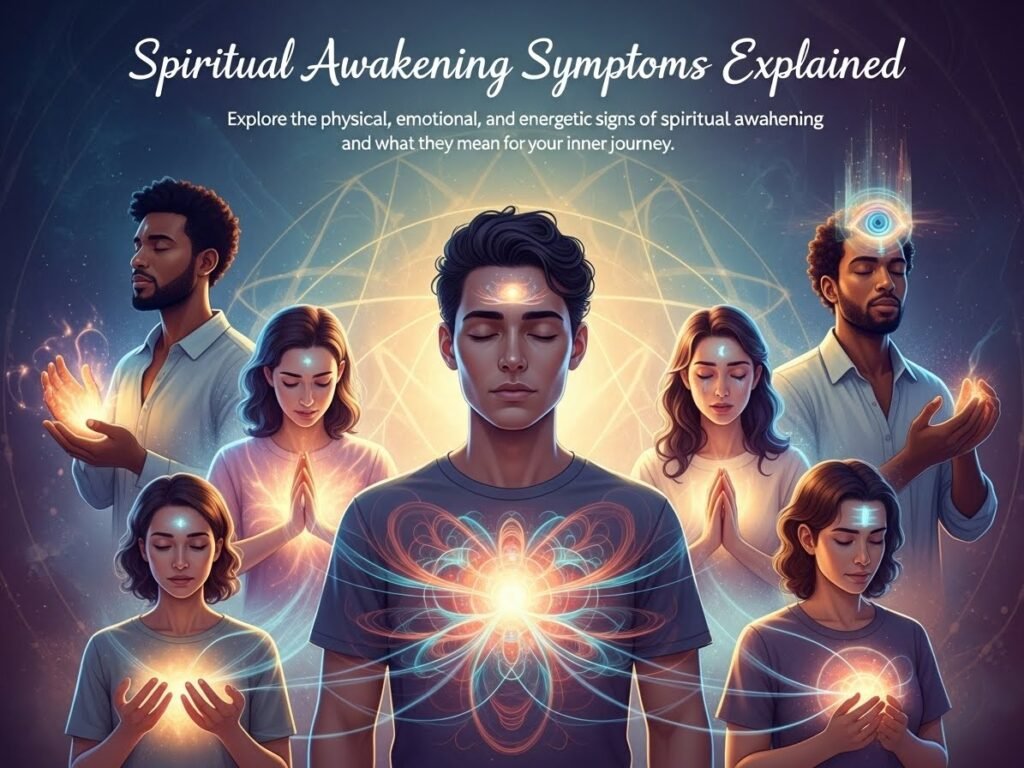
Many people report physical sensations during spiritual awakening. These can include fatigue, changes in sleep patterns, heightened sensitivity to food or environments, or sensations of warmth or tingling in the body. These experiences are often linked to shifts in energy as the body adjusts to higher levels of awareness.
You may also feel a stronger connection between your physical and emotional states. Stress or emotional tension may manifest physically, encouraging you to listen more closely to your body’s signals. As awareness deepens, self-care becomes essential, helping you maintain balance during this transformative phase.
Increased Intuition and Inner Guidance
As spiritual awakening unfolds, intuition often becomes more pronounced. You may experience sudden insights, gut feelings, or a deep sense of knowing that guides your decisions. This intuitive awareness feels calm and clear rather than impulsive or fearful. It arises from a place of inner alignment and trust.
You may also notice meaningful coincidences or synchronicities appearing in your life. These moments feel purposeful, as if the universe is gently guiding you forward. Over time, trusting your intuition becomes second nature, strengthening your connection to your higher self and inner wisdom.

Questioning Old Beliefs and Life Structures
A key symptom of spiritual awakening is the questioning of long-held beliefs. You may begin to reflect on societal norms, cultural conditioning, and personal values that once shaped your identity. This questioning is not about rebellion but about truth-seeking. You are no longer satisfied with surface-level explanations and seek deeper meaning in your experiences.
As belief systems shift, you may feel temporarily ungrounded. Old structures dissolve, creating space for new perspectives to emerge. This phase invites you to redefine success, happiness, and purpose in ways that align with your inner truth rather than external expectations.
A Strong Pull Toward Meaning and Purpose
During spiritual awakening, many people feel a renewed sense of purpose. You may feel called to contribute positively to the world, whether through creativity, service, healing, or conscious living. This pull toward purpose is not about achieving something external but about expressing your authentic self.
You may feel inspired to align your career, lifestyle, or daily habits with your values. Small choices begin to feel significant, as each action becomes an expression of your inner alignment. Purpose becomes less about status and more about meaning, fulfillment, and connection.
Letting Go of Ego and Old Identity
As awakening deepens, the ego gradually loosens its grip. You may feel less attached to labels, achievements, or external validation. Instead, there is a growing sense of inner freedom and acceptance. This shift allows you to relate to yourself and others with humility and compassion.
Letting go of old identity layers can feel unsettling, yet it brings profound peace. You begin to understand that you are more than your roles or past experiences. This realization creates space for self-love, forgiveness, and a deeper connection to the essence of who you truly are.
Conclusion
Spiritual awakening symptoms are not obstacles to overcome but invitations to grow. Each experience, whether joyful or challenging, plays a role in your transformation. Trusting the journey allows you to move through change with grace and patience.
Awakening is not a destination but an ongoing process of becoming more present, aware, and aligned. As you honor your experiences and listen to your inner guidance, you cultivate a life rooted in authenticity, compassion, and inner peace. Through awareness and trust, spiritual awakening becomes a beautiful unfolding of your truest self.
❓ FAQs for the Blog
1. Are spiritual awakening symptoms normal or something to worry about?
Spiritual awakening symptoms are a natural part of inner growth and expanded awareness. While some experiences may feel intense or confusing, they are not harmful. These symptoms indicate that old emotional patterns, beliefs, and energies are shifting to make room for greater clarity and alignment. Approaching the process with patience, grounding practices, and self-care can help you navigate it smoothly.
2. How long do spiritual awakening symptoms last?
There is no fixed timeline for spiritual awakening. For some people, symptoms may last weeks or months, while for others the process unfolds over several years in cycles. Awakening is not a one-time event but an ongoing journey of awareness and self-discovery. Each phase brings deeper understanding and integration at its own pace.